The Development
A phased, integrated masterplan across 68 hectares — six precincts, two phases, one vision for Soweto's urban future.
Masterplan Overview
Toggle between the Soweto regional context and the detailed precinct view. Click any precinct marker to explore.

An Integrated
Urban Masterplan
The Soweto Gateway masterplan is designed around a single core principle: creating a fully integrated urban environment that serves the full spectrum of Soweto's economic and social needs within a single, walkable precinct.
The masterplan organises the 68-hectare site into six distinct precincts — each designed to address a specific market demand, while connecting seamlessly to the others. A central public spine connects all precincts, creating a walkable urban environment anchored by public plazas, landscaped streetscapes, and civic facilities.
The phased delivery model allows the development to respond to market demand while managing risk — with Phase 1 delivering the highest-demand uses (retail, residential, and mixed-use) before Phase 2 introduces the more specialised precincts.
Development Specifications
Phased Delivery
2025–2026
Phase 1 delivers the highest-demand uses — retail, residential, and mixed-use — establishing Soweto Gateway as a functioning urban centre and generating the footfall and economic activity that underpins Phase 2.
2026–2028
Phase 2 introduces the more specialised precincts — medical, industrial, and tourism — building on the established footfall and economic activity of Phase 1 to create a fully integrated urban environment.
Explore Each Precinct
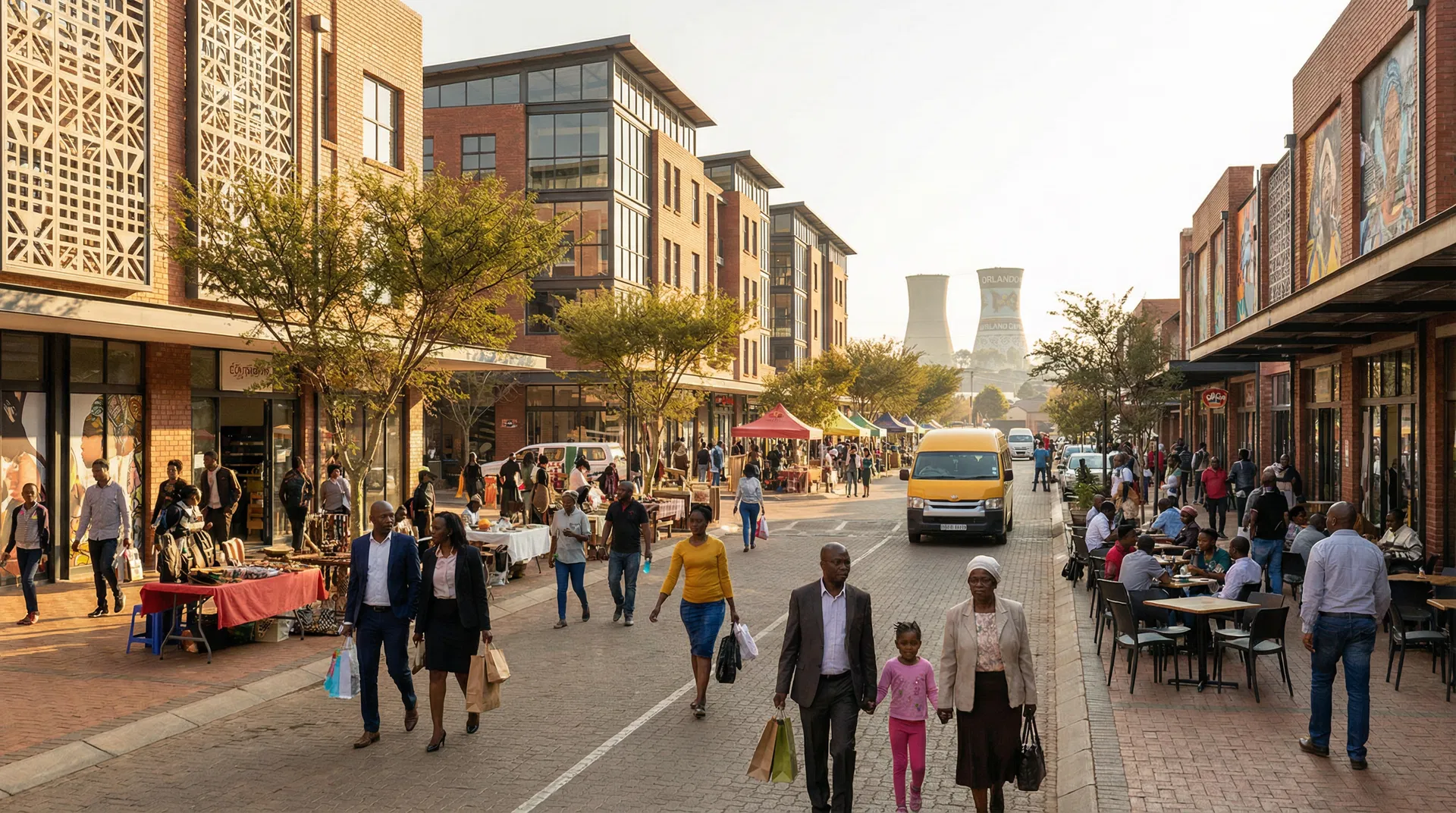
Retail & Commercial
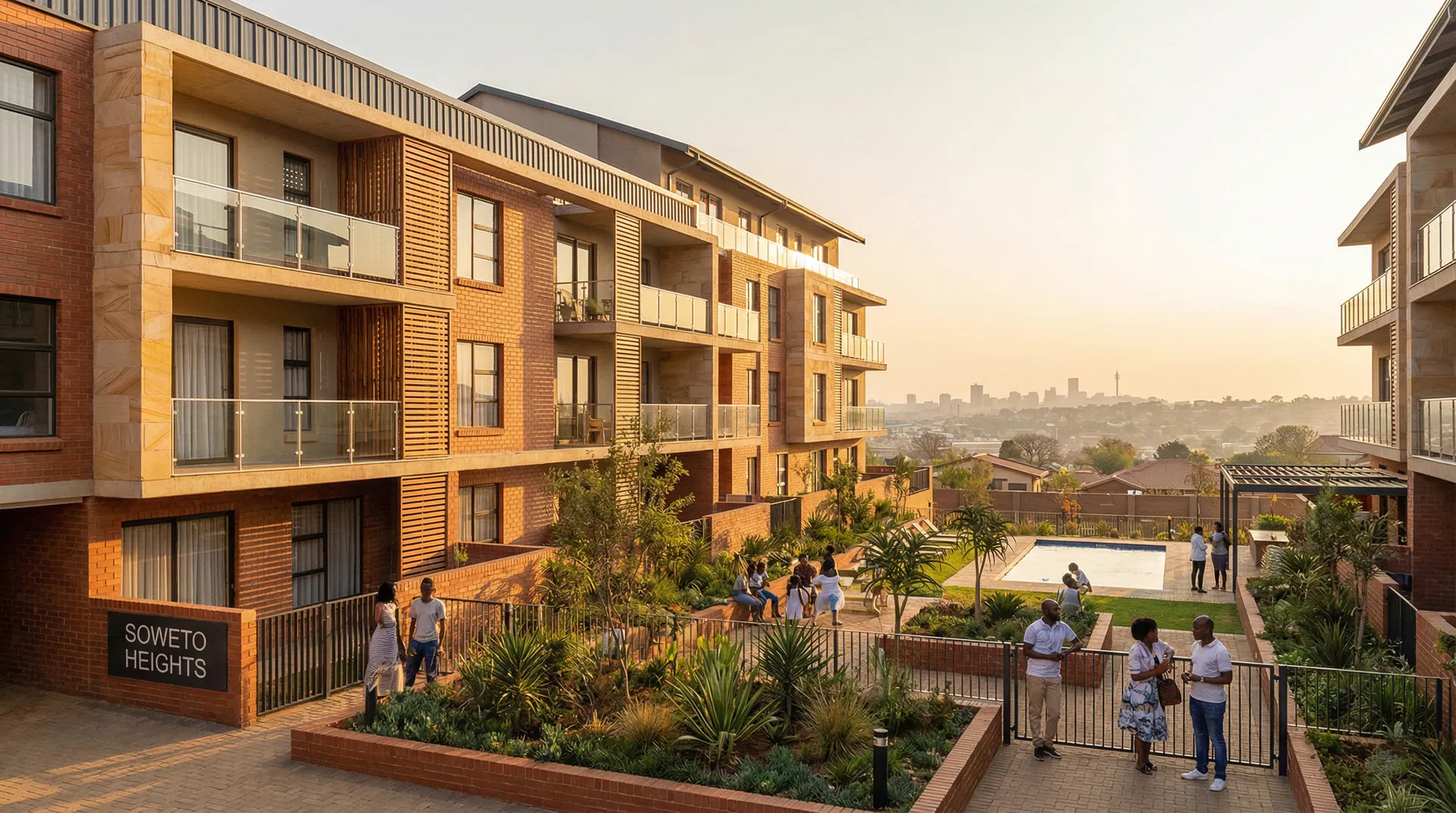
Residential Living
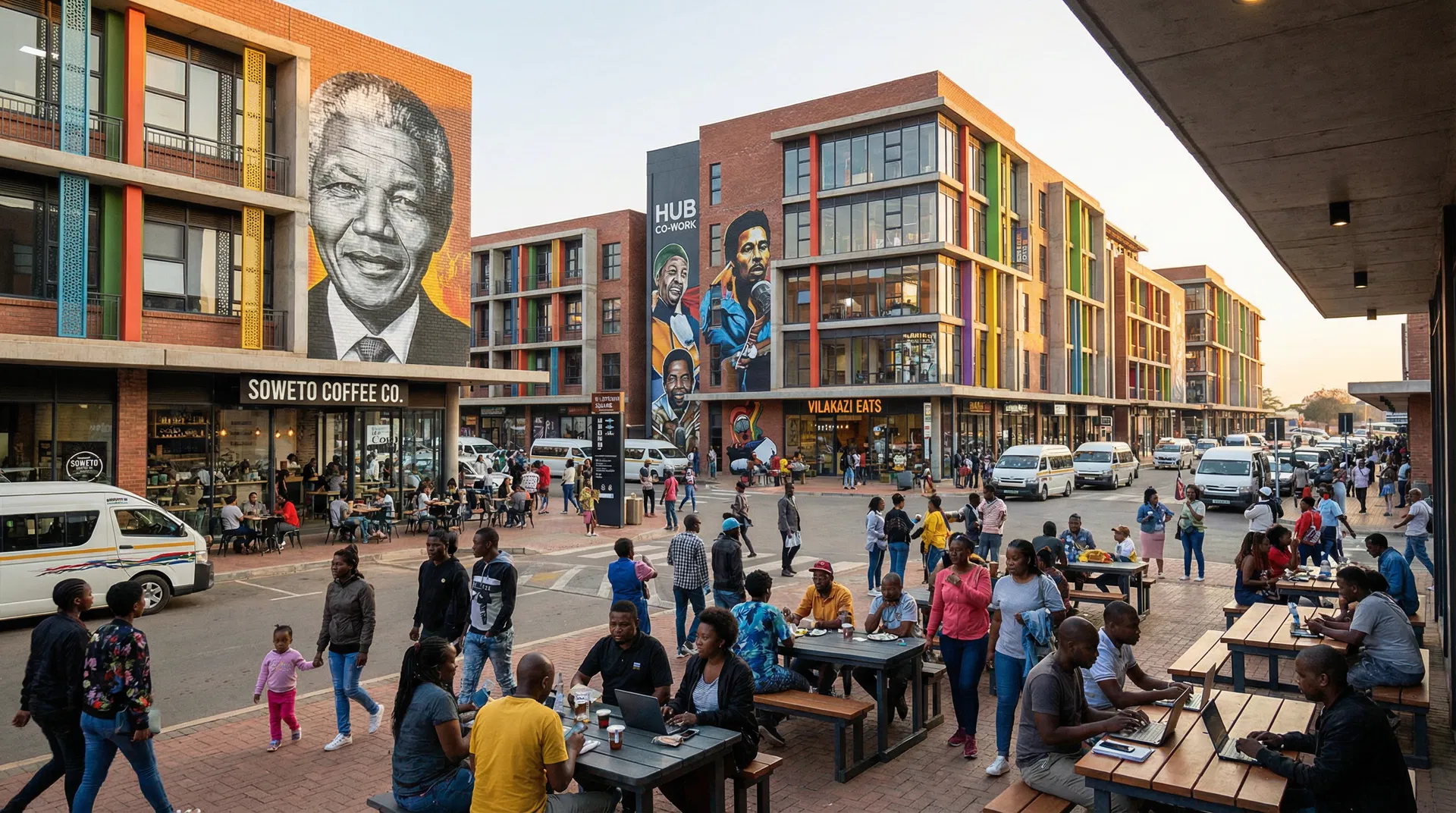
Mixed-Use Hub
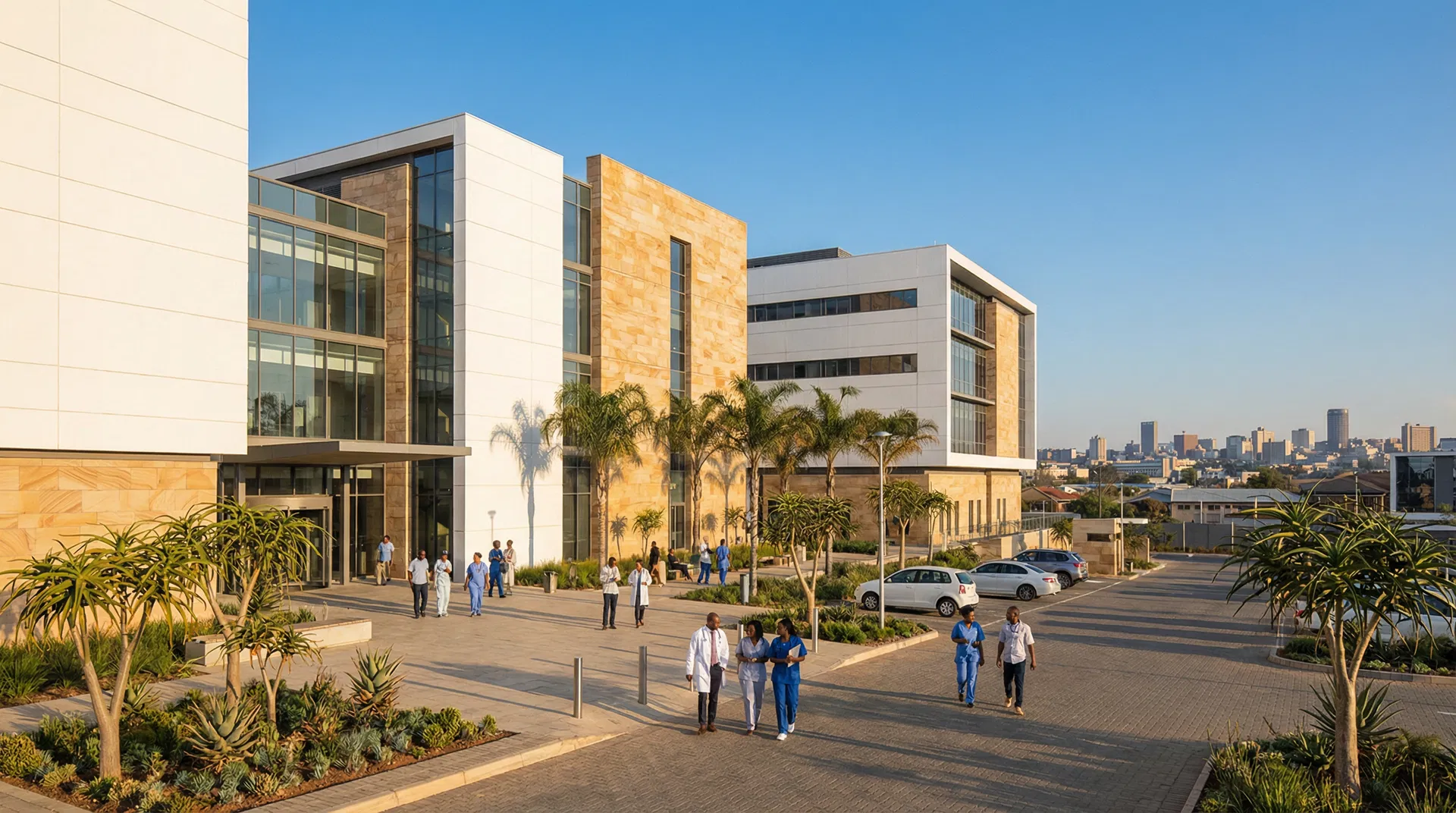
Medical & Wellness
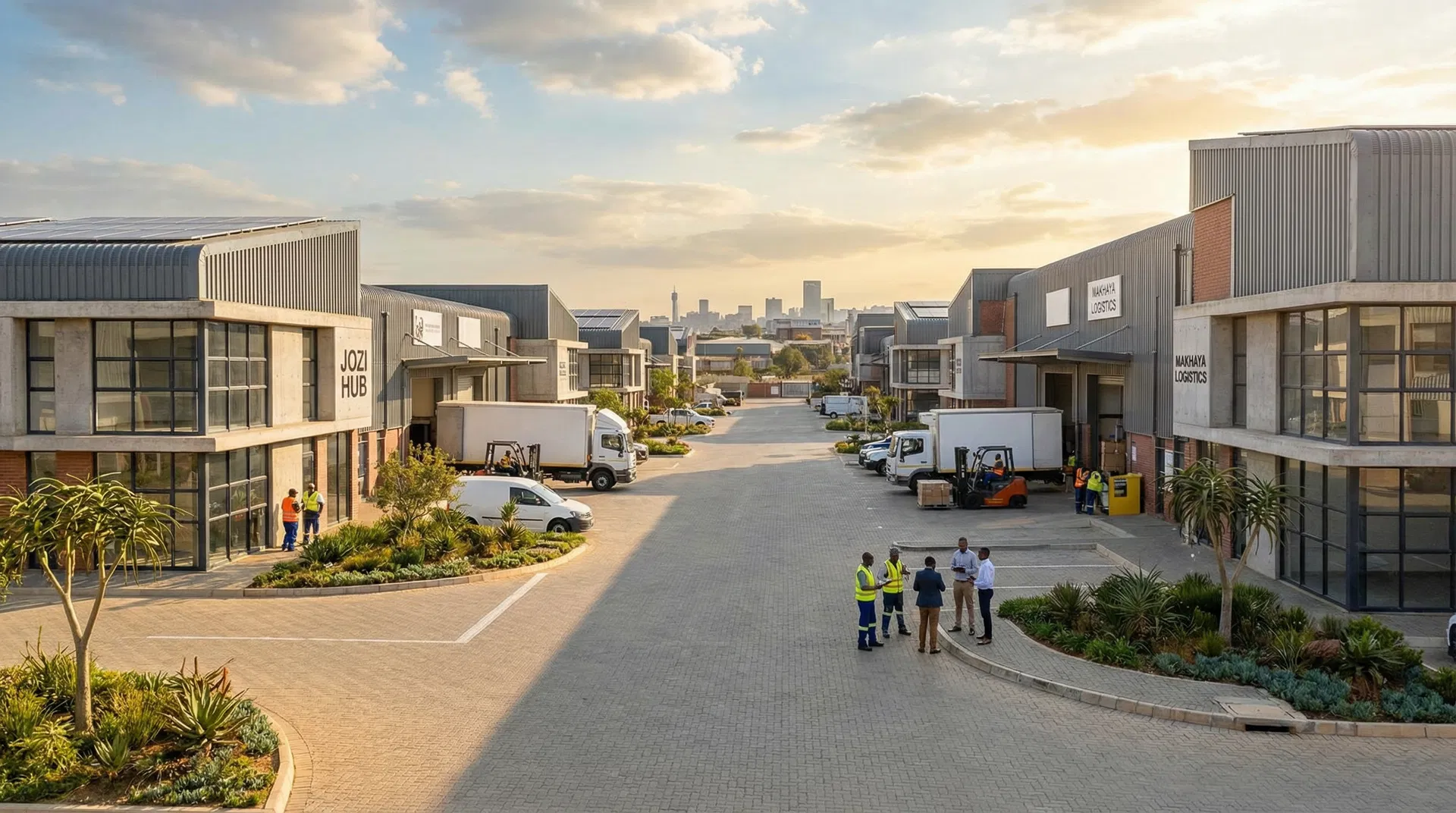
Light Industrial